The Dame Reads First: An Evening Among Clipboards at the 2026 Village Panto Auditions
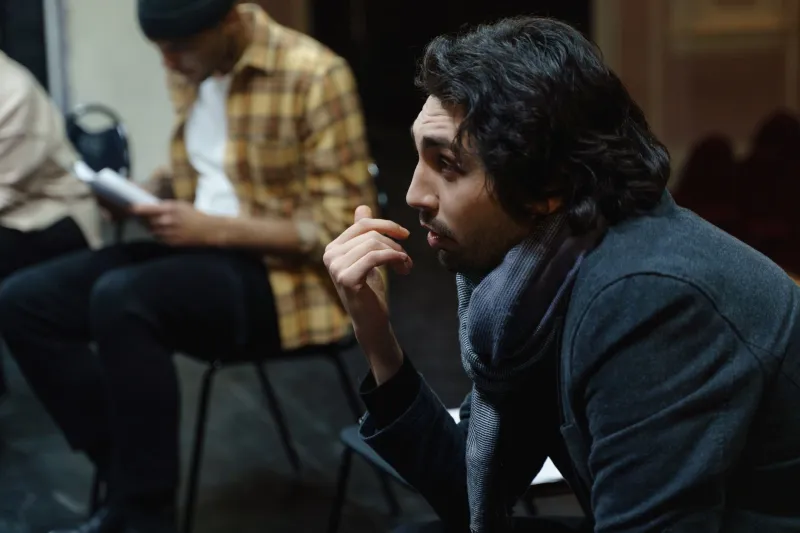
I turned up at the village hall on a damp Tuesday in November with a notebook, a pen that worked second time, and no intention of auditioning. By 8.15 I was holding a clipboard. By 8.40 I was reading for the back end of a cow. This is how the 2026 panto season gets you.
The hall smelled of floor polish, old radiators and the particular optimism of a tea urn that has seen things. Someone had put out biscuits on a plate with a doily. The doily was doing a lot of emotional labour. Around it gathered the usual cast of characters: the person who has directed every panto since 1998, the teenager who can actually sing, three adults who claim they are only here to help with the set, and a man in a fleece who owns the lighting box and therefore owns us all.
The 2026 panto is Jack and the Beanstalk. That means a giant, a beanstalk, a cow, and at least one child who will be dressed as a bean and will never forgive anyone for it. It also means auditions, which are not really auditions at all. They are a village sorting office for ambition.
The Clipboard Has a Memory
The clipboard is not a tool. It is a constitution. On it are names, ticks, question marks and a rota for the raffle. The woman holding it does not raise her voice. She does not need to. She has a pen you can hear from the back row, and when she writes something down, the room adjusts itself.
I was given a form to fill in. Name, availability, any skills. I wrote 'can lift things' and immediately regretted it. Within ten minutes I had been assigned to help move the trestle tables. Within twenty, I was reading for a pirate. Within thirty, I was reading for a second pirate, because the first pirate had to leave early for a swimming lesson.
This is the first lesson of village panto: you are not cast as a character. You are cast as a gap in the schedule.
Reading for the Dame, Again
Every village has a person who reads for the Dame. Not necessarily the person who will play the Dame, though often they are the same. They arrive with a flask, a highlighter and a sense of timing that suggests they have been doing this since before the hall had double glazing.
They read first. They always read first. It is not vanity; it is quality control. They know where the laughs are, where the groans go, and which lines need a pause long enough for someone at the back to shout 'oh no it isn't'. They also know the unwritten rule of panto auditions: if you are going to be rubbish, be rubbish with confidence.
The rest of us shuffle our scripts and try to remember whether we are reading for the fairy or the front end of the cow. The Dame reads a line about the giant's laundry, and the room laughs. Not because the line is funny, but because she has decided it will be. That is the real audition. Not talent. Decision.
Costumes With Provenance
At the side of the hall, a rail of costumes waited. It was less a wardrobe than an archive. A pirate hat with a name written inside in biro. A fairy skirt that has been let down and taken up so many times it is now mostly safety pins and memory. A pair of giant trousers that smell faintly of mothballs and strongly of 2019.
Someone offered me a waistcoat. I asked whose it was. The answer was a surname, a road name and a vague gesture towards the allotments. That is village panto for you. You do not wear a costume. You wear a previous life.
A Cow Is a Two-Person Job
By the end of the evening, I had been upgraded. The back end of the cow was needed for a read-through, and I was the only person not already holding a script for the front end. The front end was a retired teacher called Marion who took it very seriously and kept asking whether the cow should have a limp. The director said yes, then said no, then said we would find out in rehearsal.
This is the second lesson: a cow is a two-person job, and one of those people will always want to make it more complicated. The other person will simply be glad to be facing the right way. There is probably a life lesson in that, but the tea urn had run dry and I was not in the mood.
What the Village Hall Knows
By nine o'clock, the audition was over. The clipboard was closed. The Dame's flask was empty. The beanstalk had been measured, argued over and deferred to next Tuesday. We spilled out into the car park with our scripts and our slightly damp coats, and I realised I had agreed to come back on Thursday to help paint a giant's boot.
The 2026 panto will be a shambles, of course. Someone will forget their lines. The lighting box will hum. The cow will be uneven. A child will wave at their mum from the middle of the beanstalk. But that is not the point. The point is that a village hall on a wet Tuesday in November can still gather people together and ask them to become pirates, fairies and a surprisingly convincing cow.
And if you are very lucky, someone will bring a flask. That, in the end, is the real magic of panto. Not the glitter. The thermos.